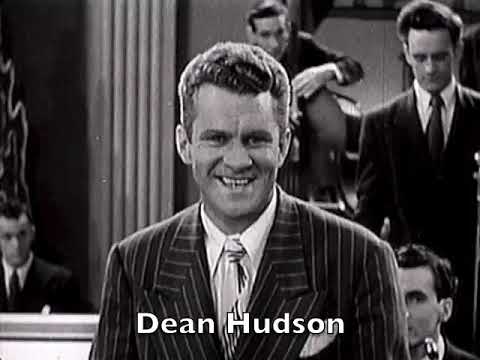
San Antonio Rose – Herbie Kay and his Orchestra with Ken Nealy and Mimi Kellerman
The practice of “covering records” – that is, recording songs that had been big hits for others – goes back to the beginning of commercial

The practice of “covering records” – that is, recording songs that had been big hits for others – goes back to the beginning of commercial
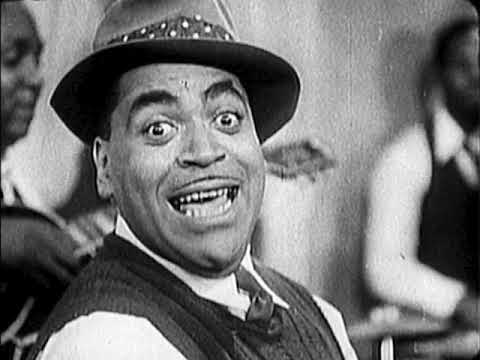
As I have mentioned many times, one of the core principles of Soundies production and distribution was getting the most out of each-and-every dollar. In
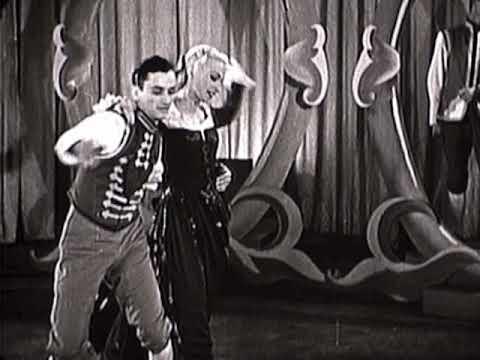
Cheap or economical does not mean unimportant. This post of Jolly Joe, a polka Soundie that at first may seem inconsequential, features three dance teams
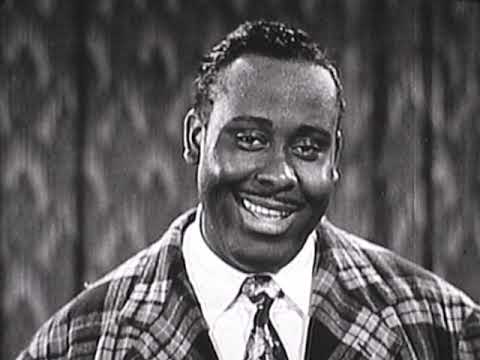
In the 1940s, employment opportunities for African Americans were limited, even in the entertainment field. For those who were considered “second tier “performers, the ability

If you are looking for a real/reel rarity, this jukebox short is just for you As I have mentioned before, there were many competitors in
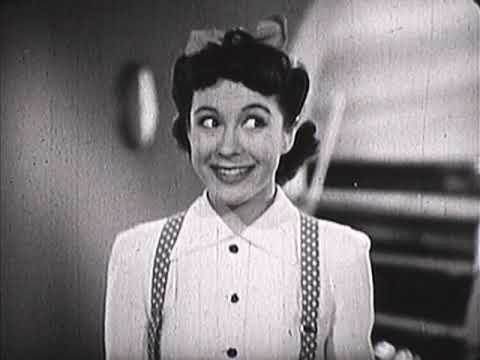
One of the most fascinating aspects of the war years – that is, the years when Soundies were in active production and distribution – was

Stan Kenton fans are not all that interested in his music from the 1940s. I was somewhat taken aback when Kenton expert Steven Harris shared
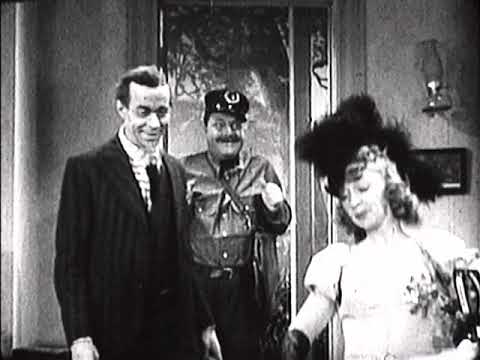
I would guess that almost all members of this group purchased something online this holiday season: a toy, clothing, books, electronics … you name it.
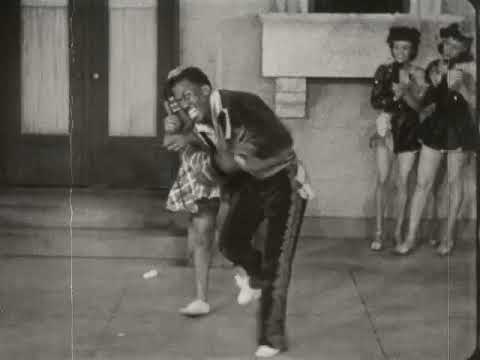
On December 18, 1941, Gene Krupa and his Orchestra entered the recording studios at R.C.A. in Manhattan to record Soundies soundtracks for Minoco Productions. During
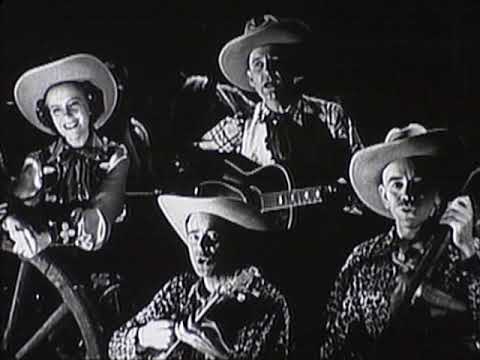
The 1930s and ‘40s saw the development of a polished and highly urbanized version of country and, as the trades referred to it, hillbilly music.